

Quick answer
Edinburgh to Highlands by car takes between two and four hours depending on your destination, with Pitlochry reachable in 90 minutes via the A9 and Fort William or Inverness requiring three to four hours. The roads are public and free to use year-round. Early morning departure between 07:00 and 09:00 avoids commuter traffic through Stirling and secures parking at popular viewpoints along Loch Lomond and Glencoe before tour coaches arrive.
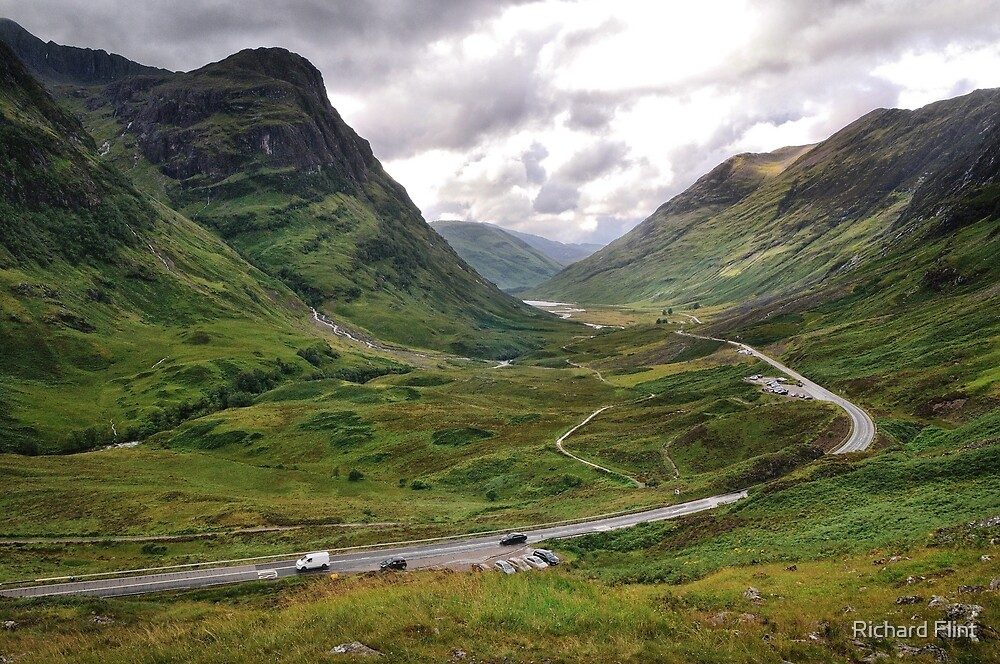
The Highlands begin where the M9 motorway ends and the A9 narrows into a two-lane ribbon threading north through Perthshire. Most drivers crossing from Edinburgh to the Highlands by car choose one of three arteries: the A9 via Stirling and Pitlochry toward Inverness, the A82 along Loch Lomond and through Glencoe to Fort William, or the A84 through the Trossachs for a slower, winding alternative. Each route delivers different terrain—the A9 climbs open moorland with long sight lines and overtaking lanes, while the A82 hugs loch edges and negotiates hairpin bends where caravans and lorries slow the flow. Drive times vary more than the map suggests. Edinburgh to Pitlochry runs 90 minutes in clear conditions, but Edinburgh to Fort William stretches to three and a half hours with no motorway beyond Stirling. Add thirty minutes if you're departing after 08:30 on a weekday, when commuter congestion clogs the approaches to the Forth Road Bridge and the M9 interchange. Fuel stations thin out north of Callander—Crianlarich, Glencoe, and Fort Augustus each offer the last petrol for forty miles in their respective directions, and card payment at the pump often fails where mobile signal drops, so carry cash or fill the tank in Stirling. The roads themselves are open around the clock, with no tolls and no access restrictions, but winter conditions from November through March bring ice, snow gates on higher passes, and closures on the A82 through Glencoe when blizzards sweep in from the Atlantic. Lay-bys and viewpoints along Loch Lomond fill by mid-morning in summer, and the car park at the Three Sisters viewpoint in Glencoe reaches capacity before 10:00 on weekends. Single-track sections north of Fort William and on the A87 toward Skye require mirror discipline and patience—passing places are frequent but blind corners are unforgiving, and rental cars with unfamiliar dimensions test even confident drivers. Mobile signal drops for sustained intervals on the A82 between Tyndrum and Glencoe, on the A9 north of Dalwhinnie, and across most of the A87 west of Invergarry. Download maps offline, and plan fuel stops around the working hours of rural stations—many close by 18:00, and Sunday hours are shorter still. The landscape rewards the preparation: the descent into Glencoe, the long view across Rannoch Moor, and the first sight of Ben Nevis from the Commando Memorial are the images that justify the drive, and they appear only to those who arrive with enough fuel, time, and daylight to stop.
“The Highlands begin where the M9 motorway ends and the A9 narrows into a two-lane ribbon threading north through Perthshire.”
Best Time of Day for Edinburgh to Highlands by Car
The most effective time to begin a drive from Edinburgh to the Highlands is between 07:00 and 09:00. Departing during this window helps avoid peak traffic congestion and increases the likelihood of securing parking at popular scenic viewpoints.
May to June
Moderate crowdsMild, 10°C–17°C. Longer daylight hours allow for extended driving.
These months offer a balance of manageable visitor numbers and favorable road conditions.
September to October
Lower crowdsCooler, 8°C–14°C. Autumn colors appear.
Traffic decreases significantly compared to peak summer months, making navigation easier.
Weekday mornings
Minimal crowds—
Departing before 09:00 ensures easier access to parking spaces at remote highland stops.
Verdict: For the most efficient experience, plan your departure for a weekday between 07:00 and 09:00 during the months of May, June, September, or October.
Routes for Your Edinburgh to Highlands by Car Journey
Driving from Edinburgh to the Highlands provides access to diverse landscapes via major arterial roads. The two primary routes involve traveling north toward Stirling or west toward Loch Lomond.
A9 via Stirling and Perth
A82 via Stirling and Loch Lomond
Planning Your Edinburgh to Highlands by Car Itinerary
This plan suits drivers seeking a balanced day trip with scenic stops, covering approximately 8–9 hours including travel and exploration time.
Depart Edinburgh Early
Leave the city during the recommended arrival window to minimize traffic through Perth and into the Highlands. Allow 90 minutes to reach your first scenic stop.
Cairngorms National Park
Pull over at designated viewpoints along the A9 to photograph moorland and mountain scenery. Budget 90 minutes for short walks and photo stops before continuing north.
Drive to Inverness
Continue through Aviemore toward Inverness, Scotland's Highland capital. Use this segment to refuel and stretch at service stations.
Inverness City Centre
Park near the River Ness and explore Inverness Castle grounds or walk along the riverside. Allow 90 minutes for lunch and a brief wander.
Loch Ness Viewpoint
Drive southwest on the A82 to reach Urquhart Castle viewpoint or Dores Beach for classic loch views. Spend an hour at your chosen stop.
Glen Coe Scenic Drive
Head south through Glen Coe, stopping at layby viewpoints to photograph the valley and peaks. This segment includes multiple short photo stops.
Return Journey Begins
Start the drive back to Edinburgh via Stirling or Perth, depending on your chosen return route. Plan for approximately 3 hours of driving with one rest break.
Is There an Entrance Fee for Edinburgh to Highlands by Car?
Driving from Edinburgh to the Highlands involves traversing public roads and scenic routes. There are no entrance fees required to access these areas.
A typical adult pays 0 GBP for road access, though personal fuel and vehicle maintenance costs remain the responsibility of the driver.
Common Mistakes When Traveling Edinburgh to Highlands by Car
Driving from Edinburgh to the Highlands looks simple on a map, but single-track roads, variable weather, and remote terrain catch many visitors unprepared. These are the errors that derail journeys.
Underestimating journey time on single-track roads
Single-track roads with passing places slow progress significantly. Budget at least 50% more travel time than GPS estimates, especially on routes through Glen Coe or the Cairngorms.
Ignoring fuel levels in remote areas
Petrol stations are sparse once you leave the Central Belt. Fill up in towns like Pitlochry or Fort William; some Highland stretches have no services for 50+ miles.
Driving in poor visibility without experience
Highland weather shifts rapidly, bringing fog, heavy rain, or snow even in summer. If visibility drops below 50 meters on unfamiliar mountain roads, pull into a safe layby and wait rather than pressing on.
Failing to pack emergency supplies for breakdowns
Mobile signal is patchy across much of the Highlands. Carry water, snacks, warm layers, and a physical map in case of breakdown or road closure in areas without coverage.
Not checking road conditions before departure
Winter and shoulder seasons bring ice, snow, and closures on high passes like the A82 or A9. Check Traffic Scotland and Met Office warnings the morning of travel to avoid impassable routes.
Checklist for Driving Edinburgh to Highlands by Car
Complete these steps before your drive north to avoid delays and ensure a smooth journey through remote Highland terrain.
-
Check your vehicle's fuel, oil, and tire pressure — Petrol stations become sparse beyond Pitlochry, and breakdowns in remote glens mean long waits.
-
Download offline maps for the Highlands — Mobile signal drops frequently in mountain passes and along single-track roads.
-
Pack an emergency kit with water, snacks, and blankets — Weather can turn quickly at altitude, and some routes see limited traffic for hours.
-
Verify your insurance covers single-track roads — Many Highland routes are narrow with passing places, and mirror damage is common.
-
Check the Met Office forecast for snow or ice — A9 and A82 can close in winter, and sudden storms make high passes dangerous.
-
Fill up in Pitlochry or Fort William — The next station may be 40+ miles away, especially on west-coast routes.
-
Plan rest stops at marked viewpoints — Fatigue builds on winding roads, and official pull-offs prevent blocking passing places.
Check availability
Frequently asked questions about edinburgh to highlands by car
Everything you need to know about edinburgh to highlands by car